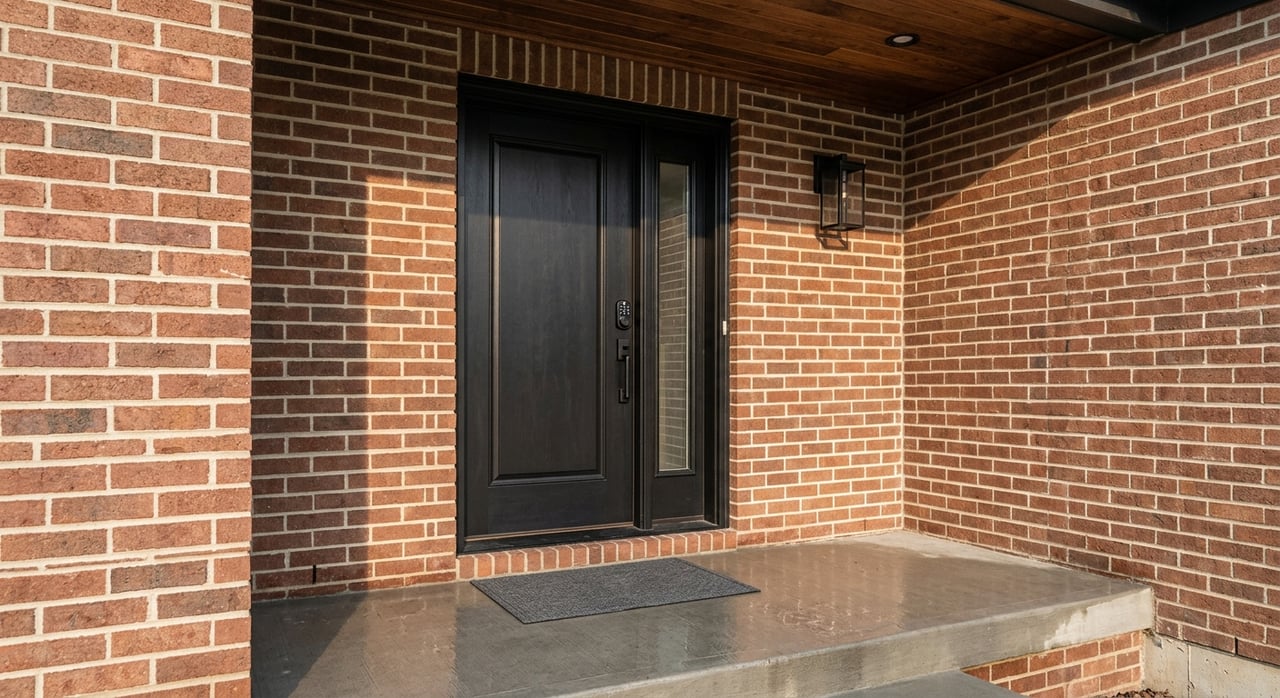
Hot Springs Short Term Rentals: A Buyer’s Basics Guide
April 23, 2026
April 23, 2026
Thinking about buying a home in Hot Springs to use as a short-term rental? It can be an exciting idea, especially in a market shaped by tourism, lake living, downtown attractions, and year-round visitors. But in Hot Springs, short-term rentals are tightly regulated, so the right property is not just about charm or location. It is also about zoning, licensing, occupancy, parking, taxes, and day-to-day compliance. If you want to buy with fewer surprises, this guide will walk you through the basics that matter most. Let’s dive in.
Hot Springs has a strong visitor economy, which is a big reason buyers look at homes here for short-term rental use. According to the National Park Service visitor information for Hot Springs National Park, the park sits right in downtown Hot Springs, has no entrance fee, and does not require reservations. That easy access helps support steady tourism activity throughout the year.
The broader numbers help explain the appeal. The National Park Service 2024 visitor-spending report says Hot Springs National Park recorded 2,461,812 recreation visits in 2024 and generated $253.4 million in local economic output. Visit Hot Springs also reports 9.3 million annual visitors to the city, which points to a tourism-driven environment that can support overnight lodging demand.
For you as a buyer, that means guest appeal often comes down to convenience. Properties near downtown access, park amenities, lake recreation, events, and practical parking may stand out more than homes that only look good on paper.
Before you think about furniture packages, projected rates, or guest experience, you need to know whether the property can legally operate as a short-term rental. In Hot Springs, STR use is regulated by the city, and the city notes that if a website summary conflicts with the latest ordinance, the ordinance controls. The city’s current Short-Term Rental Information page also says new residential-zone STR licenses are not available because the residential cap has been reached.
That single point changes the conversation for many buyers. If the home you like is in a residential district, you should not assume you can simply close and start hosting. Some non-residential zones remain open for new applications, and some properties, including certain HPR and condos recorded before Jan. 18, 2022, are exempt from the residential cap according to the same city guidance.
One of the biggest mistakes a buyer can make is choosing a property based on income potential before confirming its zoning and licensing path. In Hot Springs, the legal ability to operate as an STR can vary by district and property type.
The city’s STR information page is the place to start. It explains whether new applications are available in certain categories and highlights that residential-zone availability is currently capped.
If a property is in a residential district, the city says the applicant must obtain a Special Use Permit. According to the STR Business License Requirements page, that application also requires supporting items like a local contact, a floor plan, off-street parking details, and a Certificate of Occupancy showing fire and building code compliance.
That means your due diligence needs to go beyond standard home-buying questions. You need to know not just whether the home is attractive to guests, but whether it can satisfy the city’s operational standards.
This is one of the most important points for buyers. Even if a seller has used the property as a short-term rental, that does not mean you automatically inherit that status.
The city’s business license requirements say STR licenses are calendar-year licenses, issued separately for each unit or site, and generally are not transferable to a new owner or a new location. In practical terms, you should treat licensing as a fresh approval question unless you have verified otherwise through the city.
That can affect value, timing, and even whether a purchase still makes sense for your goals. If your reason for buying depends on short-term rental use, this issue should be confirmed early, not after inspections or just before closing.
Hot Springs also makes it clear that complete applications matter. The city says applications that do not include the required attachments are not eligible for review or approval.
That matters because missing paperwork can delay your plans or change your carry costs while you wait. If you are buying with a short-term rental strategy in mind, permit readiness should be part of your contract-period investigation.
Helpful items to verify early include:
Hot Springs requires more than a name on file. The city says the local contact must be on-call 24 hours a day, 7 days a week, and able to be physically present within 60 minutes of a request while the property is occupied for transient use, as outlined in the city’s STR ordinance guidance.
For local owners, that may be manageable. For out-of-town buyers or second-home owners, it is a major operational question. Before you buy, think honestly about who will handle guest issues, complaints, lockouts, parking problems, or urgent maintenance calls.
In Hot Springs, revenue potential is tied to compliance. The city’s rules limit maximum overnight occupancy to two people per bedroom plus two, with daytime occupancy capped at the overnight limit plus 50 percent, according to the city STR guidance.
That means bedroom count is more than a listing feature. It directly affects how many guests the property can host overnight. Parking matters too, because the city requires designated parking spaces and asks applicants to provide off-street parking information as part of the licensing process.
If a home looks like it could sleep more people than the site can legally support, that gap matters. A smart buyer looks at bedroom layout, parking setup, and usable space together, not separately.
Buying the property is just the beginning. You also need to understand Hot Springs’ STR fees and lodging-related taxes before you estimate cash flow.
According to the city’s STR Business License Fees and Penalties page, the annual STR fee is based on maximum overnight occupancy at $50 per person per year, with a $200 minimum. Annual license fees are due on the first business day of January, cannot be prorated, and late fees begin in March.
The city’s finance department page says lodging is subject to the city’s 3% Advertising and Promotion tax, and Arkansas also assesses a 2% tourism tax on lodging. For you, that means budgeting should include more than mortgage, utilities, and cleaning. It should also include annual city fees, lodging tax remittance, and the time needed to keep filings current.
A short-term rental in Hot Springs is not meant to function like an event venue. The city says STRs are intended for sleeping accommodations, not parties or large gatherings, and commercial functions and similar events are prohibited under the city’s STR rules.
The city’s Good Neighbor Guidance adds more expectations for guests and owners. Overnight guests must stay within posted occupancy limits, noise after 10 p.m. and before 7 a.m. should be contained within the unit, trash cans must be stored out of public view except on pickup days, parking must use designated spaces, dogs must be leashed off-property, and fireworks are prohibited.
The city also provides a 24-hour complaint hotline, and repeated issues can lead to citations, fines, or additional penalties. That makes house rules, property setup, and responsive management central to protecting your investment.
Buyers often ask what kind of property may perform best for guests in Hot Springs. The research points to a practical answer: properties that make visiting easy.
Because Hot Springs National Park is located in downtown Hot Springs, and because the city attracts visitors throughout the year, many guests may value access to downtown, Bathhouse Row, lake activities, events, and reliable parking. Convenience, layout, and ease of use can be just as important as finishes.
If you are considering a lakefront property, there is one more due-diligence item to check. Visit Hot Springs says Lake Hamilton typically undergoes an annual drawdown in early November, which can affect shoreline maintenance and access.
If you are shopping for a Hot Springs home with short-term rental goals, keep this checklist handy during your search:
Short-term rental buyers in Hot Springs need more than a home search. You need clear local guidance, strong due diligence, and a realistic view of what a property can support before you commit.
That is where local market knowledge can make a real difference. When you work with a team that understands Hot Springs, property types, and the questions to ask early, you can avoid chasing the wrong opportunity and focus on homes that better match your goals. If you are thinking about buying in Hot Springs, connect with Bailey & Company Real Estate for a local, client-first conversation about your options.
Stay up to date on the latest real estate trends.
Lindsey & Krystina Realtors
Lindsey Blaylock
(501) 317-9782
[email protected]
Krystina Bullard
(501) 303-0344
[email protected]