Lake Hamilton vs In-Town Hot Springs Lifestyle
April 16, 2026
April 16, 2026
Trying to decide between a lake lifestyle and a more connected in-town routine in Hot Springs? It is a common question, especially if you want a home that fits both your budget and the way you actually plan to live. The good news is that both Lake Hamilton and in-town Hot Springs offer strong lifestyle appeal, but they do it in very different ways. This guide will help you compare price, pace, upkeep, and rental considerations so you can choose with more confidence. Let’s dive in.
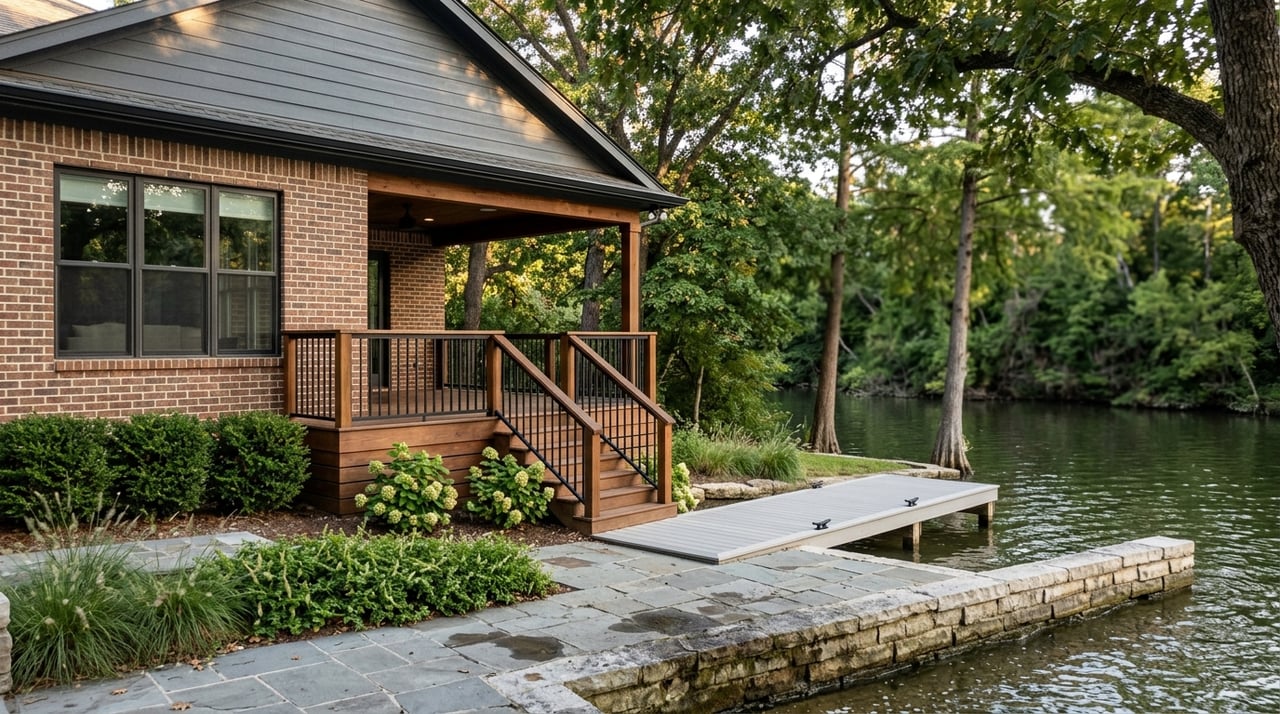
Lake Hamilton offers the stronger vacation-style setting of the two. According to the Lake District overview from Visit Hot Springs, the lake covers 7,200 acres, stretches 18 miles, and is shaped by marinas, boat rentals, lakefront restaurants, resorts, docks, and active summer boat traffic.
If you picture your weekends on the water, this area may feel like the clearest match. Boating, tubing, wakeboarding, fishing, and water-view dining are all part of the area’s identity, which gives Lake Hamilton a distinctly water-centered rhythm.
In-town Hot Springs offers a different kind of convenience and character. The downtown core is anchored by Bathhouse Row and Central Avenue, and the National Park Service notes that Bathhouse Row contains most of the park’s architectural resources and remains the largest collection of twentieth-century bathhouses in the United States.
You also have easy access to attractions and amenities concentrated near downtown. Visit Hot Springs highlights that the visitor center is one block from Historic Bathhouse Row, Hot Springs National Park surrounds downtown, and 26 miles of trails are accessible from the area. Oaklawn and the Arlington also add restaurants, bars, entertainment, and other city-core activity.
If budget is a major factor, the market snapshots suggest a clear spread between the lake and the urban core. The latest Hot Springs market overview shows a median home price of $335,000 citywide, while downtown Hot Springs comes in lower at a median home price of $218,000.
Lake Hamilton trends higher. The same market source shows Lake Hamilton with a median listing price of $360,000, which points to a premium over both downtown and the citywide median. The gap is even more noticeable on the rental side.
Here is a simple snapshot of how the numbers compare:
| Area | Median Home Price | Median Rent | Median Days on Market |
|---|---|---|---|
| Downtown Hot Springs | $218,000 | $950 | Not provided separately |
| Hot Springs Citywide | $335,000 | $1,495 | 89 |
| Lake Hamilton | $360,000 | $2,350 | 121 |
These numbers are not perfect apples-to-apples, but they do show a pattern. If you want a lower-cost entry point, in-town Hot Springs may give you more flexibility. If you want waterfront living, expect to pay more upfront and potentially more in monthly carrying costs.
Both Hot Springs and Lake Hamilton are currently described as buyer’s markets in the latest available snapshots. That can create room for negotiation, whether you are shopping in town or on the lake.
Lake Hamilton is also moving more slowly, with a median of 121 days on market compared with 89 days citywide. For buyers, that slower pace can mean more time to evaluate options carefully. For sellers, it can be a reminder that pricing and presentation matter, especially in lifestyle-driven segments.
A lake home offers a unique setting, but it also comes with extra ownership responsibilities. On Lake Hamilton, shoreline-specific maintenance is part of the equation, especially if the property includes features like a dock, swim deck, or boardwalk.
According to Entergy’s hydro operations information, Lake Hamilton is part of a federally licensed hydroelectric project. The annual drawdown begins on November 1, and refill is scheduled by March 15. This seasonal drawdown gives shoreline owners an opportunity to inspect and repair structures and fortify the shoreline.
That matters if you are comparing lake living to an in-town property. A home near downtown may still require normal home maintenance, but it usually does not involve dock condition, shoreline integrity, or lake-related permitting.
If a Lake Hamilton property includes shoreline improvements, you will want to review the paperwork carefully before closing. Entergy says it requires an inspection before transferring a permit for residential shoreline facilities such as boat docks, swim decks, and boardwalks.
That means lake buyers should look beyond the view alone. You will want to understand the condition of the improvements, confirm permit status, and factor any repair needs into your budget and negotiations.
Another important item for waterfront buyers is flood risk. FEMA and the National Flood Insurance Program state that federally backed lenders require flood insurance for buildings located in a Special Flood Hazard Area, and FloodSmart provides guidance for checking flood-zone status through FEMA’s mapping tools.
For you as a buyer, this is a practical cost question. Before you assume a monthly payment will stay within range, it is smart to verify whether flood insurance may be required for the property you are considering.
Lake Hamilton has a strong tourism signal, which can make it appealing to buyers thinking about rental use. The broader Lake District includes marinas, boat rentals, lakefront dining, Garvan Woodland Gardens, and Mid-America Science Museum, all of which support the area’s visitor appeal.
The market data also suggests stronger rental pricing on the lake. Lake Hamilton’s median rent is listed at $2,350, compared with $1,495 citywide and $950 in downtown Hot Springs. While rent data alone does not guarantee performance, it does suggest that lake-area properties often command a premium.
In-town Hot Springs can also make sense if you are thinking about rental demand. The concentration of Bathhouse Row, the national park, the visitor center, Oaklawn, and downtown dining and entertainment creates appeal for people who want close access to major attractions without living directly on the water.
That can make in-town homes and condos attractive in a different way. Instead of a boating-focused experience, the draw is often walkability to central attractions or shorter drives to the places visitors want to spend time.
If you are hoping to use a property as a short-term rental, city rules are a major piece of the decision. According to the City of Hot Springs short-term rental information, short-term residential rentals require a business license, and properties in residential zoning districts also require a Special Use Permit.
The city also states that the cap for residential-zone short-term rental licenses is 400, and as of the July 1, 2025 update, new residential-zone licenses are not available. Occupancy and noise standards also apply. In other words, short-term rental potential depends on current city rules, not just the property’s location or view.
Lake Hamilton may be the better fit if you want a true waterfront lifestyle, stronger vacation-home energy, and direct access to boating and water views. It can also make sense if you are comfortable with the added layers of maintenance, permit review, and flood-zone due diligence that often come with shoreline ownership.
In-town Hot Springs may be the better fit if you want easier day-to-day convenience, a lower entry point in the core, and close access to downtown amenities, Hot Springs National Park, and Bathhouse Row. If your priority is a simpler ownership experience with strong access to the city’s central attractions, in-town living may feel more practical.
The right answer depends on how you want to spend your time, what monthly costs you are comfortable carrying, and whether you are buying primarily for everyday living, a second home, or investment goals. If you want help comparing specific neighborhoods, price points, or waterfront listings in Hot Springs, connect with Bailey & Company Real Estate for a personalized strategy and a clear next step.
Stay up to date on the latest real estate trends.
Lindsey & Krystina Realtors
Lindsey Blaylock
(501) 317-9782
[email protected]
Krystina Bullard
(501) 303-0344
[email protected]