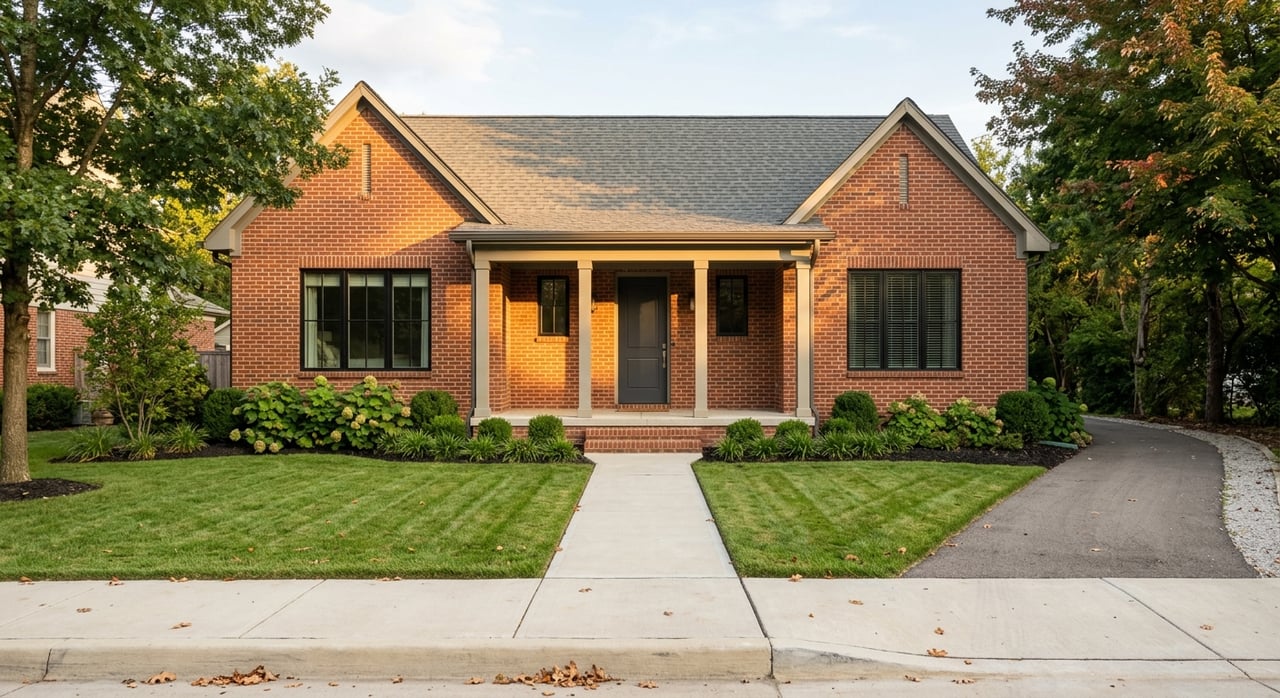
Explore North Little Rock Neighborhoods by Lifestyle
June 4, 2026
June 4, 2026
Wondering which part of North Little Rock feels most like your kind of home base? That question matters here because North Little Rock is not one-size-fits-all. If you are trying to choose between a more walkable riverfront lifestyle, an established area near parks and trails, or a more convenience-driven suburban setting, this guide will help you sort through the differences with confidence. Let’s dive in.
North Little Rock offers a few very different day-to-day experiences depending on where you land. In broad terms, this guide looks at three shorthand lifestyle areas: riverfront, parkside, and suburban.
These are not official city district names. They are a practical way to describe patterns in housing, amenities, and daily routines across Argenta and the North Shore Riverwalk area, Park Hill and Burns Park, and Lakewood with the McCain corridor.
North Little Rock is closely tied to Little Rock, especially when it comes to commuting. Census QuickFacts lists the city’s mean travel time to work at 19.8 minutes, and Metroplan reports that the largest city-to-city commute flow in Central Arkansas runs from North Little Rock to Little Rock, with the reverse flow ranking second.
That matters when you are choosing a neighborhood. Your ideal area is not just about the house itself. It is also about how you want to spend your mornings, evenings, weekends, and drive time.
If you want the most urban-feeling pocket of North Little Rock, the riverfront area stands out. This shorthand includes Argenta and the North Shore Riverwalk area, where the environment is shaped by historic buildings, local businesses, arts venues, restaurants, and event spaces.
Argenta is one of the city’s oldest and most eclectic areas. City materials describe more than a century of history here, along with galleries, theaters, restaurants, bars, and an Outdoor Dining District that supports a lively patio and evening scene.
This part of North Little Rock tends to reward people who like being out and about. The monthly 3rd Friday Art Walk and programming at Argenta Plaza add to the sense that this is a place for walking, gathering, and lingering.
The housing around Argenta reads more like historic urban fabric than a typical subdivision. Local tourism materials highlight renovated older homes and notable historic properties like the 1920s Argenta Green House and the Queen Anne Victorian Baker House.
For you as a buyer, that can mean a mix of preserved homes, adapted properties, and infill opportunities rather than rows of newer large-lot construction. The appeal here is often character, proximity, and lifestyle more than a traditional suburban layout.
The riverfront pocket offers several major landmarks and connections. Nearby spots include the Arkansas Inland Maritime Museum, North Shore Riverwalk Park, the Arkansas River Trail, Simmons Bank Arena, and Dickey-Stephens Park.
There is also a METRO streetcar connection between the two downtowns. If your ideal routine includes walks, events, dining out, and easy access to the river, this area may feel like the strongest fit.
This area can make sense if you want:
If your goal is a more residential setting with strong access to green space, parkside living may be the sweet spot. In this guide, that includes Park Hill, Burns Park, and the wider Old Mill belt.
Park Hill holds an important place in North Little Rock history. The Arkansas Historic Preservation Program describes it as the city’s first planned suburban development and notes a largely residential hill neighborhood with a commercial corridor along JFK Boulevard.
Park Hill is known for its architectural variety from the 1920s through the 1940s. According to the historic preservation materials, you will find 1920s Craftsman Bungalows, Period Revival homes, and 1940s Minimal Traditional houses.
For many buyers, that translates into older homes with character, mature streets, and an established feel. If you like a neighborhood that feels rooted and residential, this area often checks that box.
Burns Park is a major part of the parkside identity. The city says Burns Park spans 1,700 acres, making it one of the largest municipal parks in the country.
That gives this part of North Little Rock a strong outdoor rhythm. The Arkansas River Trail also loops through North Shore Riverwalk Park, Burns Park, Emerald Park, and across major connectors like the Big Dam Bridge and the Clinton Presidential Park Bridge.
The Big Dam Bridge is another standout feature. The city describes it as the longest pedestrian and bicycle bridge in the world built specifically for that purpose.
You also have neighborhood gathering points that feel casual and local. The Filling Station, described by the city as Park Hill’s first food-truck court and farmers’ market, adds a relaxed place to stop and spend time.
The Old Mill helps tie this wider green belt together. It sits on the Lakewood side of the same general park-adjacent lifestyle zone and remains one of North Little Rock’s most recognizable scenic landmarks.
It is free and open to the public, which makes it an easy part of your regular routine if you value outdoor places that are simple to enjoy. Even if you live closer to Park Hill or Burns Park, the Old Mill still helps define the feel of this broader parkside area.
This area can make sense if you want:
If convenience, planned neighborhood design, and easier access to retail corridors matter most, the suburban pocket may fit you best. In this guide, that means Lakewood and the McCain corridor.
Lakewood is one of the clearest examples of North Little Rock’s planned suburban era. The Arkansas Historic Preservation Program says it opened in 1947 and was designed to reduce traffic on neighborhood streets while reserving land for parks, schools, and churches.
Historic materials describe Lakewood as rolling, tree-covered hills surrounding multiple lakes, with modern homes and well-kept yards. The same history also notes later additions like Heritage Park and the 16-story Lakewood House high-rise.
That means the housing mix is not limited to one format. You will find detached suburban housing, but there is also some higher-density living in the area.
This pocket tends to support a more drive-oriented routine. The Old Mill at T. R. Pugh Memorial Park remains a scenic anchor in Lakewood, while nearby dining examples in city materials include Lakewood Fish & Seafood House and Old Mill Pizza.
Farther north, McCain Mall adds a major retail draw. City materials describe it as a two-level mall with more than 80 specialty stores, restaurants, and a movie theater.
Hotels in the area also identify themselves by proximity to I-40 and McCain Mall or McCain Plaza. Taken together, that paints a picture of day-to-day life built more around errands, shopping access, and highway convenience than dense street life.
This area can make sense if you want:
Here is the simplest way to think about these North Little Rock lifestyle pockets.
| Area | General Feel | Housing Pattern | Daily Rhythm |
|---|---|---|---|
| Riverfront | Urban, historic, event-oriented | Older homes, historic buildings, infill, mixed-use surroundings | Walking, dining, arts, riverfront activity |
| Parkside | Established, green, neighborhood-centered | 1920s to 1940s homes with character | Parks, trails, casual gathering spots |
| Suburban | Planned, convenient, car-oriented | Detached suburban homes plus some higher-density living | Errands, retail access, highway convenience |
The best neighborhood for you depends on how you want your week to feel. Some buyers care most about being able to walk to restaurants or events. Others want mature trees, older homes, and parks that become part of their everyday routine.
A simple way to narrow your options is to ask yourself a few questions:
North Little Rock offers all three lifestyle types within one city. That is a real advantage because it gives you room to match your home search to the way you actually live.
On paper, neighborhoods can look similar. In person, they often feel very different.
That is especially true in North Little Rock, where the shift from Argenta’s riverfront energy to Park Hill’s established streets to Lakewood’s suburban layout can happen quickly. Having a local team who understands those differences can help you avoid wasting time and focus on the areas that fit your priorities from the start.
Whether you are buying your first home, moving up, or preparing to sell and reposition into a different part of the city, neighborhood guidance matters. If you want help comparing North Little Rock areas and finding the right fit, connect with Bailey & Company Real Estate for a free consultation.
Stay up to date on the latest real estate trends.
Lindsey & Krystina Realtors
Lindsey Blaylock
(501) 317-9782
[email protected]
Krystina Bullard
(501) 303-0344
[email protected]