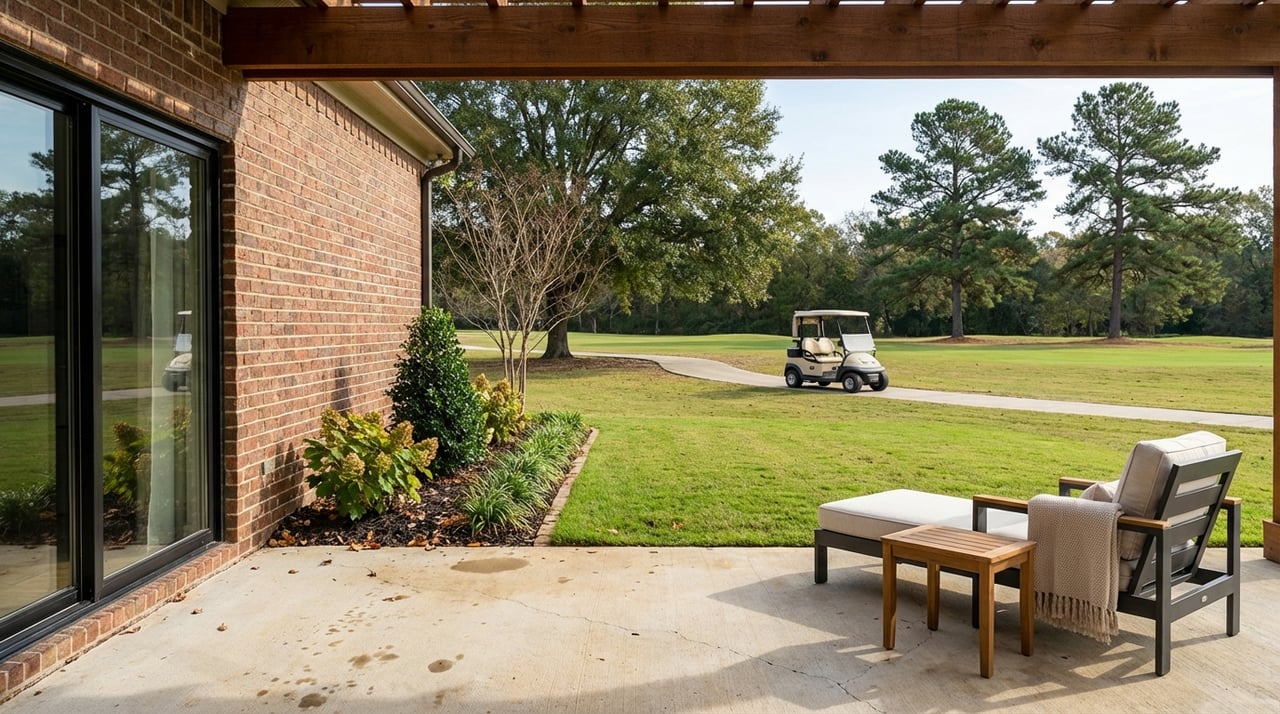
Hot Springs Village Golf Living on the Fairways
February 19, 2026
February 19, 2026
Morning light on trimmed fairways, the soft hum of mowers, and a front-row seat to the day’s first tee shot — life on the golf courses in Hot Springs Village feels both peaceful and active. If you love open views and a social calendar built around tee times, you’ll find a lot to like here. You also want a clear picture of POA rules, course access, and everyday realities before you buy. This guide walks you through what to expect, what to verify, and how to make a confident decision. Let’s dive in.
Hot Springs Village markets itself as a true golf destination with nine courses across the community. That includes seven 18-hole layouts, a 27-hole complex, and a separate private country club. You can explore the full lineup on the community’s official golf page for course names, layouts, and playing details at Hot Springs Village golf.
Beyond golf, the village spans about 26,000 acres with lakes, trails, and year-round recreation. Those amenities shape daily life and help explain why the community appeals to active buyers who want convenience and variety inside the gates. For a broader look at services and recreation, start with the community’s site at Explore the Village.
Most courses in HSV are owned and operated for property owners through the Property Owners’ Association, which means you typically enjoy access through the POA’s golf operations as a resident or guest. Diamante Country Club sits within the village but operates as a private membership club with its own membership structure and facilities. If private-club access is important, review details directly at Diamante Country Club, and confirm the current POA golf access options through the village site.
Living on a golf course brings lifestyle wins and predictable tradeoffs. Here is what you can expect in Hot Springs Village.
Golf-front lots often deliver wide, park-like views and beautiful morning and evening light. Many owners enjoy watching play from the patio. Privacy varies by location, so a home behind a tee box, alongside a fairway, or near a green will each feel different. Walk the property lines and consider how sightlines change with the seasons.
Course maintenance usually starts early on playing days. Expect the sound of mowers, blowers, and irrigation before many people are up. Activity will ebb and flow, and tournament days can add traffic and voices. Buyer guides often recommend sampling the soundscape at sunrise to gauge your comfort level, a tip echoed by this practical checklist from GolfCourseHomes.
Errant shots happen on any course. Homes near tee boxes and landing zones carry a higher risk of the occasional ball in the yard and, less often, a window or siding hit. It pays to ask the course or POA about any recorded complaints and to check your insurance. Many standard homeowner policies can address this type of damage, but you should confirm coverage and deductibles with your insurer. For context on summer-season coverage scenarios, see this overview at Grange Insurance.
The village’s wooded Ouachita foothill setting is part of the charm. Expect birdlife, deer, and seasonal insects, plus a greener and more natural look than you might find in suburban neighborhoods. For many, the blend of manicured fairways and forested edges is a major lifestyle draw.
If you enjoy an active calendar, golf communities deliver. In HSV you will find leagues, charity scrambles, and club events to meet neighbors and build routine. For example, the women’s associations keep robust play schedules, as shown by the HSV Women’s Golf Association leagues. Clubhouse dining, lessons, and clinics add non-competitive ways to plug in.
Because HSV is governed by a Property Owners’ Association, you should understand how rules and approvals work. The POA oversees Planning & Inspection and the Architectural Control Committee, which review new builds, remodels, landscaping, and exterior changes. Court records in Arkansas summarize the POA’s governance and its authority to levy assessments, including special assessments. For background, see the Arkansas Court of Appeals summary in Garner v. Hot Springs Village POA.
HSV has recorded Protective Covenants and Restrictions that set standards for setbacks, landscaping, fences, accessory structures, and what can be built adjacent to lakes and courses. Community reporting often cites setback requirements, including examples like a 20-foot minimum near lakes and golf courses, but you should always confirm the official recorded language for the specific lot you are buying. A community summary that discusses covenants and example setbacks is available here: HSV Protective Covenants overview.
Expect to apply for ACC approval for visible exterior changes. Timelines can vary by project and neighborhood conditions. Ask for the current application packet and typical review time so you can plan projects like decks, patios, or landscape screening with realistic expectations.
Annual assessments help fund roads, public safety, amenities, and courses. The POA has used special or multi-tier assessments in the past to fund capital needs. Before you close, request the current assessment schedule, recent budgets, and reserve studies. The governance history documented in Garner v. Hot Springs Village POA reinforces why it is smart to verify fees and any pending changes.
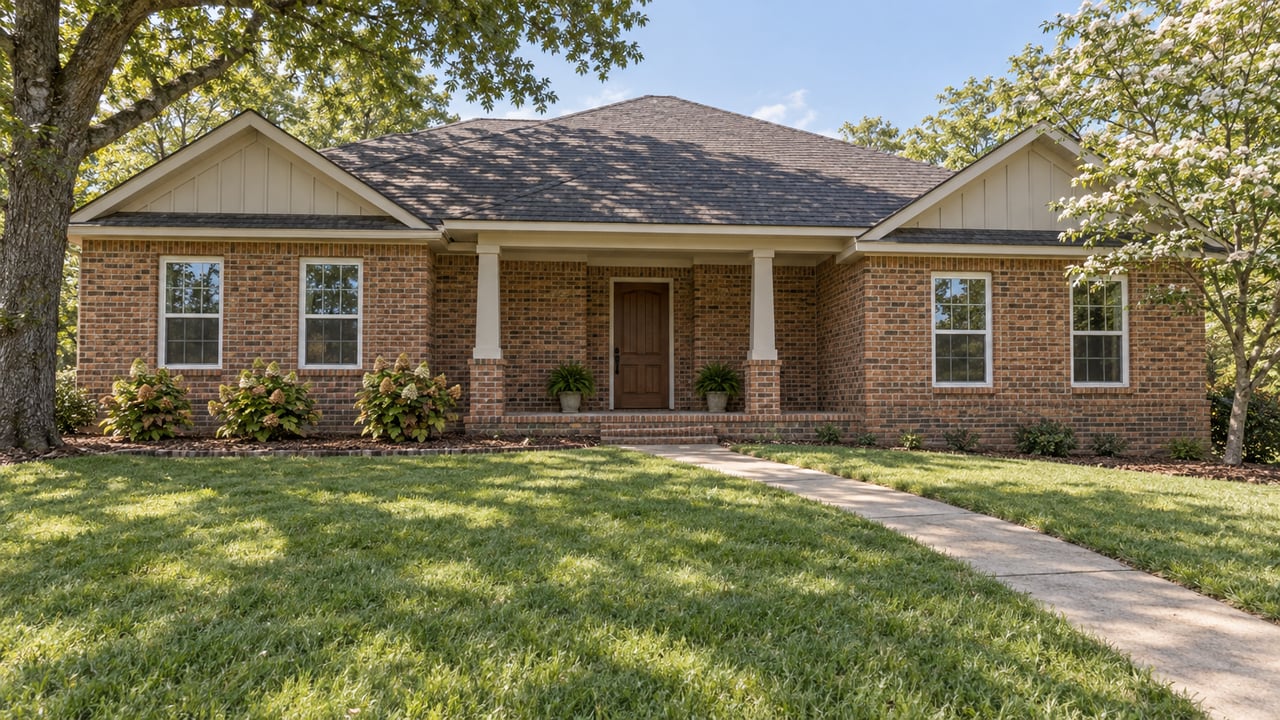
You will find a broad mix of homes around HSV’s courses. Options range from modest single-level homes and townhomes to larger custom residences and private-club estates. Inventory shifts by season, and golf-front lots are frequently available for those who want to build. Your agent can pull recent golf-front versus off-course comparables so you see how views and proximity influence price in the exact neighborhood you prefer.
Homes on well-maintained, desirable courses often carry a premium. That premium depends on course health and long-term stability. Studies and local examples show that if a course closes or is repurposed, adjacent property values can suffer. For context on how closures have affected communities elsewhere, see this brief discussing course impacts at Salado Village Voice. The takeaway is simple. Course quality and financial footing matter for today’s enjoyment and tomorrow’s resale.
Certain lots around Diamante were sold with supplemental declarations that may create membership obligations. Courts in Arkansas have addressed how such tie-ins can be enforced. If you are looking at property in or near Diamante, obtain any supplemental declarations and the club’s membership transfer rules before you commit. You can review an Arkansas Supreme Court case summarizing these issues at DIAMANTE LLC v. DYE.
Use this focused checklist to verify the details that shape your day-to-day experience and long-term costs:
When you tour, take a few extra steps to see how the property lives across a full day.
HSV brings a blend of manicured space and natural beauty that is hard to find elsewhere in Central Arkansas. You can play different courses without leaving the gates, meet friends at leagues or clinics, and unwind on a patio that feels like a park. Add in lakes, trails, and community activities, and your days can be as full or as quiet as you want.
If you are serious about golf-front living, a little homework goes a long way. Confirm the rules, understand the course and its stewardship, and listen for how the neighborhood sounds at sunrise. With the right fit, you will enjoy open views and an easy, social rhythm that holds its appeal year after year.
Ready to explore golf-front options or request a tailored comp set for your favorite hole or club area? Reach out to Lindsey & Krystina for local guidance, transparent advice, and visual-first marketing when it is time to sell. Start the conversation with Bailey & Company Real Estate.
Stay up to date on the latest real estate trends.
Lindsey & Krystina Realtors
Lindsey Blaylock
(501) 317-9782
[email protected]
Krystina Bullard
(501) 303-0344
[email protected]