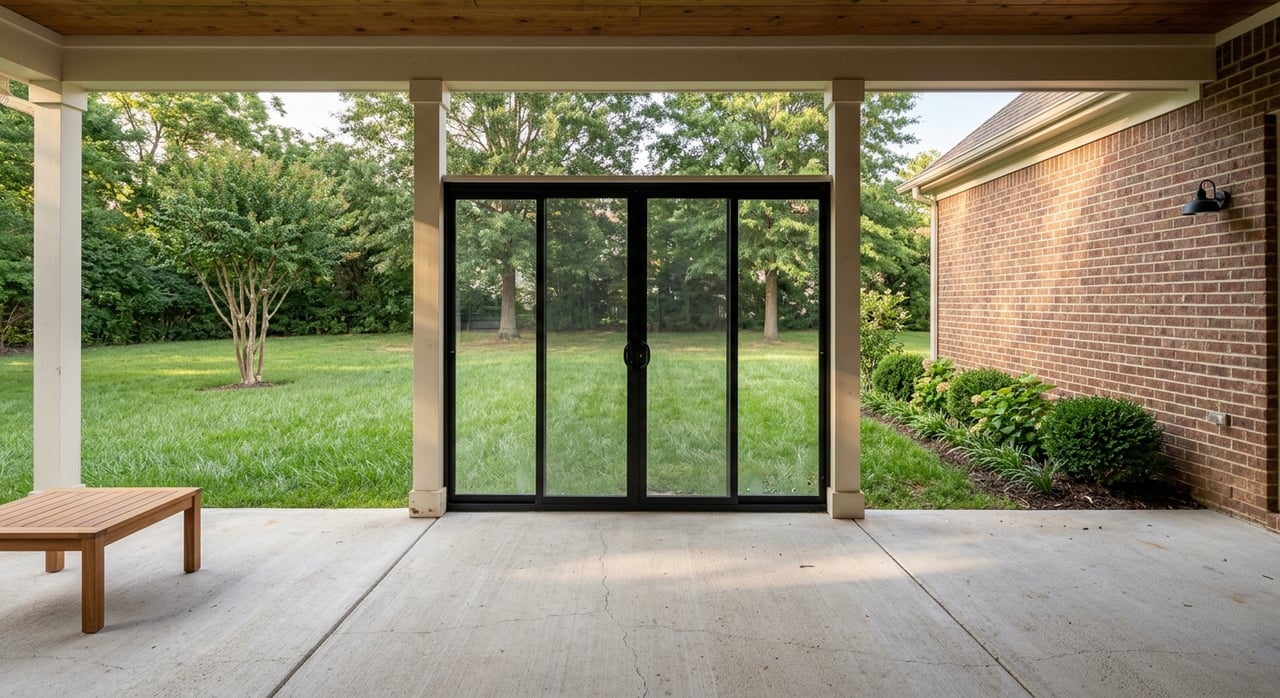
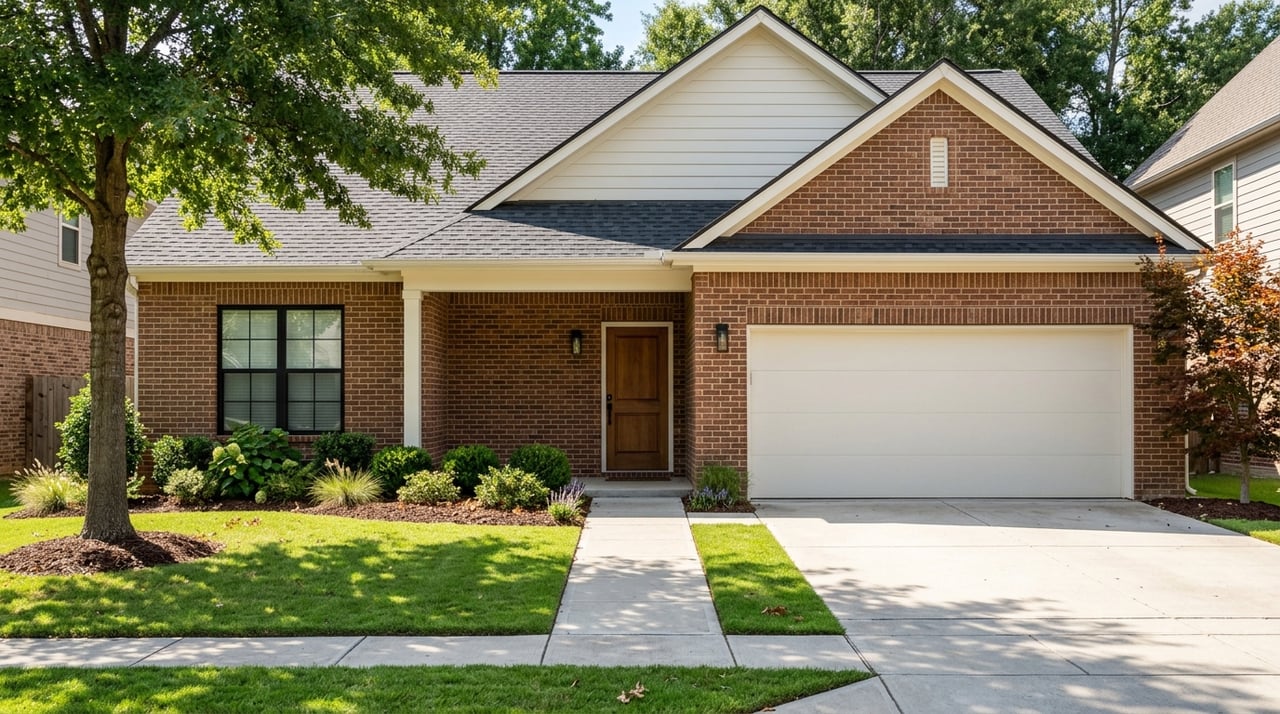
Should you choose a condo or a single-family home in North Little Rock? If you want an easy commute into Little Rock and a lifestyle that fits your budget and time, the right property type makes a big difference. You might be weighing HOA fees against yard space, or wondering how insurance and resale play out locally. This guide breaks down monthly costs, HOAs and maintenance, insurance and risk, plus resale and financing so you can decide with confidence. Let’s dive in.
North Little Rock snapshot
North Little Rock gives you quick connectivity to downtown Little Rock, major employers, and the riverfront. Condos often sit closer to arts and entertainment districts and can offer lock-and-leave convenience. Single-family homes tend to deliver more privacy, yard space, and flexibility for projects. Your decision usually comes down to how you want to spend your time and money each month.
Monthly costs: condo vs. house
When you compare a condo to a house, look at the full monthly outlay, not just the purchase price.
Monthly cost formula
Monthly cost = mortgage principal and interest + (annual property tax ÷ 12) + (homeowner’s insurance ÷ 12) + HOA dues + utilities + maintenance reserve
How to build your monthly number
- Mortgage principal and interest: Depends on price, down payment, and rate. A local lender can provide estimates for both condos and houses.
- Property taxes: Arkansas is generally a low-to-moderate property tax state, but bills vary by parcel. Use the Pulaski County assessor for exact numbers for any address you are considering.
- Insurance: Houses typically use an HO-3 policy. Condos use HO-6 for interiors and improvements. Confirm what the condo’s master policy covers so you do not over- or under-insure.
- HOA dues: Condos carry a monthly or quarterly fee. Some single-family subdivisions also have an HOA. Check what is included, such as water, sewer, trash, exterior maintenance, or amenities.
- Utilities: Budget for electric, gas, water, sewer, trash, and internet. Some condo HOAs include certain utilities.
- Maintenance reserve: For houses, a common rule of thumb is 1 to 3 percent of home value per year. Condos usually have lower out-of-pocket maintenance, but HOA dues are your contribution to building upkeep and reserves.
Quick comparison template
Use this side-by-side worksheet for any two properties you are comparing.
- Property type and address: ______________________
- Price and down payment: ______________________
- Estimated rate and loan program: ______________________
- Mortgage principal and interest: $____ per month
- Property taxes (annual ÷ 12): $____ per month
- Homeowner’s insurance (annual ÷ 12): $____ per month
- HOA dues: $____ per month
- Utilities: $____ per month
- Maintenance reserve: $____ per month
- Potential special assessments (condo risk factor): note any history or upcoming projects
- Estimated total monthly cost: $____ per month
Repeat the same lines for the second property so you can compare totals at a glance.
What to verify locally
- Ask your agent for recent condo and single-family sales near your target area to align price and tax estimates.
- Pull property tax details from the Pulaski County assessor or treasurer before you make an offer.
- Request sample insurance quotes for both a house and a condo in the same area and age range.
- Confirm whether HOA dues include utilities so you do not double count them in your budget.
HOAs and maintenance
Condos shift many exterior costs into a predictable monthly fee, while houses give you more control over timing and scope of projects.
What condo HOA fees usually cover
- Exterior building maintenance and repairs
- Roof, elevators, landscaping, and common area upkeep
- Trash removal, security, and common area utilities and lighting
- Master insurance for common elements and structure
- Reserve fund contributions for big-ticket items
- Possible utilities or amenities such as water, sewer, pool, gym, or clubhouse
Always ask what is included for the specific building you are considering.
Documents to review for any condo
- Current budget and most recent financial statements
- Reserve study and reserve fund balance
- Bylaws and CC&Rs, including rules on rentals, pets, alterations, and parking
- Minutes from recent board meetings
- Master insurance policy and coverage type
- Litigation disclosures and any open or recent lawsuits
- Delinquency rate for HOA dues
Red flags to watch
- Low reserves or no recent reserve study
- Frequent or rising special assessments
- High investor concentration or owner-occupancy issues that may impact lending
- Board turnover, poor transparency, or minutes showing major deferred maintenance
Owning a house: maintenance checklist
If you prefer a single-family home, plan for these items over time.
- Roof, siding, windows, and exterior paint
- HVAC servicing or replacement
- Yard and tree care
- Driveway, sidewalks, and fencing
- Pest control and, where applicable, septic systems
You get control over timing and contractors, but you also carry the risk of larger lump-sum repairs.
Insurance and local risk
Insurance needs and costs vary by property type and location in North Little Rock.
Policy types at a glance
- Single-family home: HO-3 policy covering the structure, personal property, and liability as specified.
- Condo: HO-6 policy for interiors, improvements, personal property, and liability. Match your policy to the condo’s master policy to avoid gaps.
- Flood insurance: Separate from standard policies. Required by lenders if the property is in a FEMA Special Flood Hazard Area.
Flooding and severe weather
Parts of North Little Rock sit near the Arkansas River and related floodplains. Check parcel-specific flood zone status to see if flood insurance is mandatory or advisable. Arkansas also sees tornado, wind, and hail events. Review deductibles and any wind or hail endorsements when you compare quotes.
How condo vs. house insurance costs differ
Condo unit policies are often less expensive because the master policy covers the building shell. Actual premiums depend on building age, location, coverage limits, deductibles, and any flood or wind exposure. For either property type in a higher-risk zone, premiums may be higher, so it pays to compare quotes early.
Resale and financing
Your exit strategy matters. Consider the future buyer pool and lending landscape before you choose.
Resale dynamics to consider
- Buyer pool: Single-family homes usually appeal to a broader group of buyers. Condos tend to attract downsizers and buyers who prioritize location and amenities.
- Appreciation: Land value and supply can influence how single-family homes and condos appreciate in different submarkets.
- Liquidity: Condo resales can be sensitive to building restrictions, investor concentration, or an oversupply of similar units.
Financing and condo eligibility
Many lenders review condo projects at the building level. Projects with high investor ownership, pending litigation, or weak reserves can be harder to finance. FHA and VA maintain approved condo project lists. If a project is not approved, you may face fewer loan options or different down payment and rate requirements. Talk with a lender early to confirm project eligibility and any condo questionnaire needs.
Appraisals and comps
Appraisals rely on recent comparable sales. In areas with limited condo sales, valuations may be less predictable than for single-family homes. Ask for recent comps for both property types in the same micro-area to set realistic expectations.
Your action checklist
Use this step-by-step list to make a confident choice.
- Build a total monthly cost worksheet for a condo and a house you like.
- Pull parcel-specific tax estimates from the county before offering.
- Request insurance quotes for HO-3, HO-6, and flood if applicable.
- For condos: obtain the budget, reserves, bylaws, CC&Rs, minutes, master insurance, litigation disclosures, and delinquency report.
- Ask your lender to pre-check condo project eligibility and discuss FHA, VA, or conventional options.
- Review recent comparable sales and days on market for both property types in your target neighborhood.
- Walk the property or building with a licensed inspector and note any near-term repair needs.
Ready to compare specific options in North Little Rock and run the numbers with local data? Reach out for a customized side-by-side and neighborhood guidance that fits your goals.
If you want hands-on help evaluating condos and houses around North Little Rock, connect with Bailey & Company Real Estate for a friendly consult.
FAQs
Is a condo or house cheaper per month in North Little Rock?
- It depends on the price, taxes, insurance, HOA dues, utilities, and your maintenance reserve, so use the monthly cost formula to compare specific addresses side by side.
What do condo HOA fees typically include in North Little Rock?
- Many cover exterior maintenance, roof, landscaping, common area utilities, master insurance, and reserves, and some include water, sewer, trash, or amenities like a pool or gym.
How does flood risk affect my decision in North Little Rock?
- If a property is in a Special Flood Hazard Area, lenders require flood insurance, and even outside those zones you may choose coverage based on risk tolerance and quote comparisons.
Can I use FHA or VA financing to buy a condo in North Little Rock?
- Yes if the condo project meets agency requirements, so have your lender verify whether the building is approved and what documentation is needed early in the process.
How much should I budget for maintenance on a house vs. a condo?
- For houses, a common rule of thumb is 1 to 3 percent of value per year, while condos often have lower unit maintenance but include building upkeep in the HOA dues.